
Raw Material Notes
Questions worth settling before requesting wood flour samples
Clarifying end use, texture expectation, and handling requirements helps avoid sample loops that do not move the program forward.
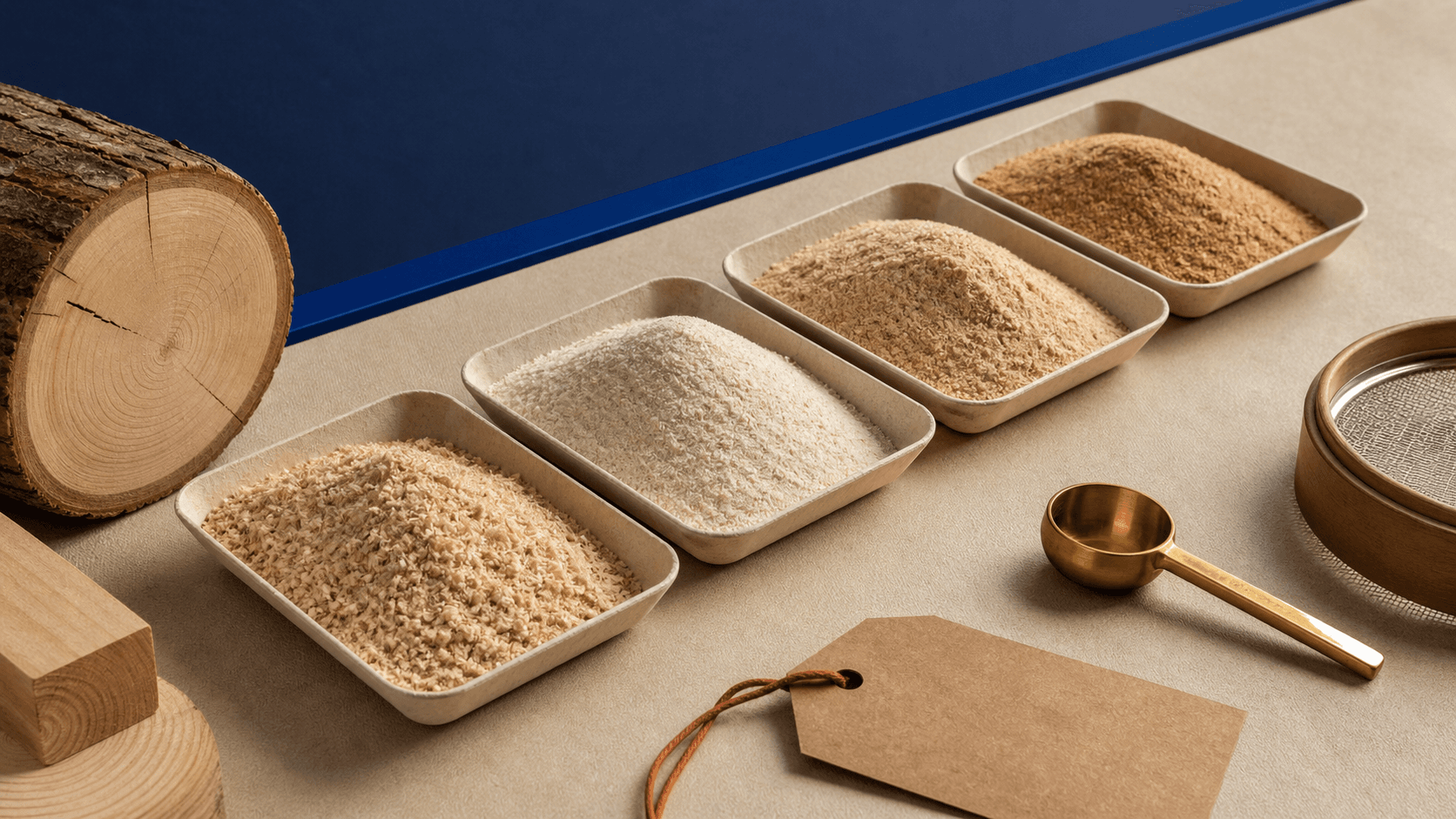
Wood flour can be discussed as a raw material, but a useful sourcing conversation starts with the downstream process. The same-looking sample may behave differently depending on particle distribution, moisture expectations, storage, and application.
Explain the end use
Tell the supplier whether the material is intended for pet bedding, litter-related development, compounding, or another confirmed application. Include the process step where the material is added and the appearance required in the final product.
- End product
- Processing method
- Desired appearance
- Any restricted materials
Agree on how the sample will be judged
Define the particle-size description, color range, odor expectation, moisture handling, and foreign-material tolerance that matter to your process. Request supporting data only where it is available and relevant.
Keep retained reference samples with clear codes so later production lots can be compared against the same approved baseline.
Include storage and transport questions
Bag material, pallet protection, humidity exposure, and warehouse conditions can affect a fine natural material. Discuss these points before choosing a packing format solely on unit cost.
- Bag type
- Bag weight
- Pallet preference
- Storage environment
- Destination and shipping mode
Practical takeaway
A wood flour sample should represent an agreed application and evaluation method, not just a bag of material sent without context.
Review wood flour sourcing details