
Category Planning
Types of Cat Litter: The Complete Buyer's Guide for 2026
Compare clay, tofu, wood, paper, and silica cat litter by clumping format, dust, handling, disposal inputs, retail role, and buyer decision criteria.
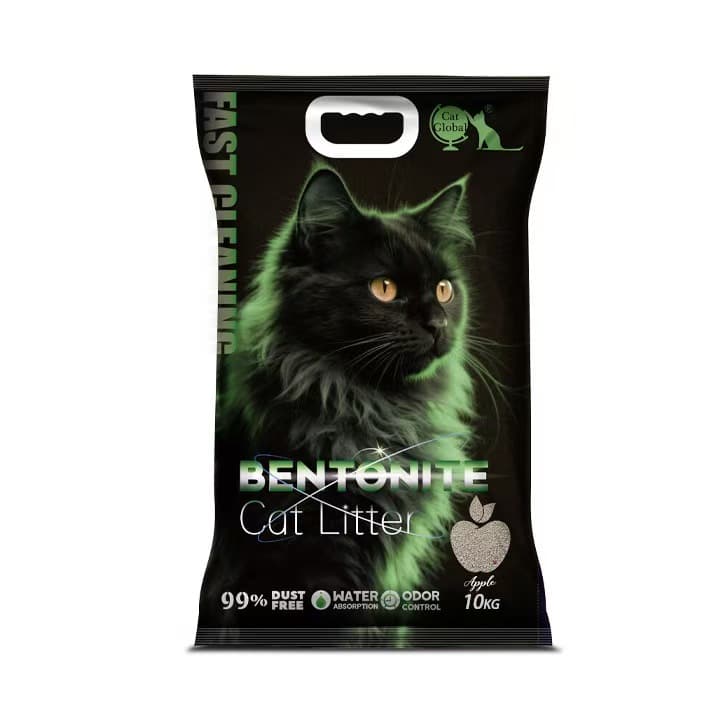
Compare the main cat litter materials by clumping format, dust and tracking considerations, handling, disposal guidance, and the channel role each option is intended to serve. Product claims and use instructions still require SKU- and market-specific review.
Types of Cat Litter: The Complete Buyer's Guide for 2026
Cat litter is one of the most personal purchases a cat owner makes — the cat lives in it, steps on it, and smells it all day, and the owner carries, scoops, and replaces it weekly. Get the type right and the box stays clean, the house stays fresh, and the cat stays happy; get it wrong and you will hear about it in the most direct way possible. This guide explains the main types of cat litter — clay, plant-based, wood, paper, and silica — how clumping and dust change the experience, and how to match each type to your cat and your home. Along the way, the ASPCA's litter box guidance is a useful benchmark: most cats prefer clumping, unscented litter, kept at one to two inches deep and scooped at least daily. This is an educational guide, not a recommendation for any brand.
Why this matters: litter is not a commodity. Different materials absorb differently, clump differently, track differently, and smell differently to a cat's far more sensitive nose. The right type reduces waste, odour, and stress — for both of you.
Who This Types of Cat Litter Guide Is For
First-time cat owners choosing a litter for a new kitten, experienced owners switching to a new type, multi-cat households weighing cost against convenience, and retailers or buyers who want a clear category map to advise customers accurately.
Key Takeaways: The Main Types of Cat Litter
The main types of cat litter are clay, plant-based (tofu, corn, wheat), wood, paper, and silica crystal — each with a different trade-off between clumping, dust, odour, weight, and cost.; Clumping litter forms a scoopable clump that removes waste daily and stretches the box life; non-clumping litter absorbs and must be changed more often.; Most cats prefer clumping, unscented litter, and a one-to-two-inch fill is the standard recommendation (ASPCA guidance).; Dust is the most common complaint: low-dust or dust-free types reduce the cloud at pouring and the film on surfaces.; Odour control works by absorption and ammonia capture, not by perfume — fragrance can push sensitive cats away from the box.; Weight and tracking matter at home: heavy clay strains lifting, and fine granules track farther than large pellets.; Environmental claims — recyclable, biodegradable, compostable — must be true and substantiated under the FTC Green Guides before they go on the pack.
- The main types of cat litter are clay, plant-based (tofu, corn, wheat), wood, paper, and silica crystal — each with a different trade-off between clumping, dust, odour, weight, and cost.
- Clumping litter forms a scoopable clump that removes waste daily and stretches the box life; non-clumping litter absorbs and must be changed more often.
- Most cats prefer clumping, unscented litter, and a one-to-two-inch fill is the standard recommendation (ASPCA guidance).
- Dust is the most common complaint: low-dust or dust-free types reduce the cloud at pouring and the film on surfaces.
- Odour control works by absorption and ammonia capture, not by perfume — fragrance can push sensitive cats away from the box.
- Weight and tracking matter at home: heavy clay strains lifting, and fine granules track farther than large pellets.
- Environmental claims — recyclable, biodegradable, compostable — must be true and substantiated under the FTC Green Guides before they go on the pack.
Comparing the Main Types of Cat Litter
Type
Strengths
Watch-outs
Clay (clumping)
Fast clumps, strong odour lock, familiar
Heavy, dusty if low grade
Plant-based (tofu/corn)
Light, low dust, flushable options
Premium price, clump strength varies
Wood / paper
Light, natural scent, low dust
Clumping limited
Silica crystal
Very low dust, long-lasting odour lock
Hard texture, pricier, not flushable
Why Types of Cat Litter Matter
Litter sits between the cat and the household every day. It absorbs moisture, contains waste, and manages odour — but each material reaches those goals differently. Clay absorbs through mineral structure and clumps by swelling; plant-based litter absorbs through fibre and binds with natural gums; wood and paper soak and expand; silica traps moisture in crystal pores. The practical differences show up in three places: how often you scoop, how much dust lands on the shelf behind the box, and whether the cat accepts the texture under its paws. Cats are texture-sensitive — a sudden switch in granule size or sharpness is a common reason a cat starts avoiding the box.
Clay: The Volume King among Types of Cat Litter
Clay — usually bentonite — is the most common type of cat litter. Clumping clay swells into a firm scoopable clump within seconds of contact, which makes daily scooping quick and keeps the remaining litter usable for longer. Its strengths are speed and odour control; its watch-outs are weight (bags are heavy) and dust (low grades produce a visible cloud at pour). Higher-grade clays are screened and washed to cut dust, and unscented clumping clay matches the ASPCA preference for most cats. For heavy users, clay remains the value benchmark that every other type is compared against.
Tofu and Plant-Based Types of Cat Litter
Plant-based litter — tofu, corn, wheat, and other fibre bases — has grown fast on two promises: lightness and renewable material. Tofu litter in particular is light to carry, generally low dust, and available in flushable formulations where local plumbing rules allow. The trade-offs are price (premium vs clay) and clump strength, which varies noticeably between formulas; a good plant-based product clumps firmly, a weak one turns to mush under the scoop. Plant-based types also tend to absorb odour well without heavy perfume, which fits sensitive-nosed cats. Claims like biodegradable or compostable need verification — see the environmental claims section below.
Wood and Paper Types of Cat Litter
Wood litter comes as shavings, granules, or compressed pellets; paper litter is made from recycled fibre. Both are light, naturally lower in dust than many clays, and carry a mild natural scent that many owners prefer. The trade-off is clumping: wood and paper generally absorb and expand rather than forming a firm clump, so daily scooping removes soaked material rather than a solid block, and the whole box is changed more often. Pellet formats track less and last longer per fill, which makes them a practical choice for households that value low maintenance and low dust over scoop speed.
Silica and Crystal Types of Cat Litter
Silica crystal litter looks like translucent beads and works by absorbing moisture into the crystal structure, locking odour without clumping. Its strengths are exceptional dust control and long odour control — a box can stay fresh far longer than clay between changes. The watch-outs are texture (some cats dislike the hard beads), price, and the fact that it is not flushable. For owners with dust sensitivities or busy schedules, silica is the low-maintenance end of the spectrum; for cats with finicky paws, it can be a miss.
Clumping vs Non-Clumping within Types of Cat Litter
The clumping question is really a scooping question. Clumping litter forms a solid clump around urine and stool, so daily scooping removes the waste and leaves clean litter behind — the box lasts longer and odour stays contained inside the clump. Non-clumping litter absorbs moisture into the material itself; without clumps, the entire box saturates faster and needs full changes more often, and ammonia odour builds between changes. For one cat and a busy owner, clumping usually wins on convenience; for budget-heavy households or specific medical needs, non-clumping has its place. The ASPCA guidance that most cats prefer clumping, unscented litter applies here as the default starting point.
Choosing Types of Cat Litter for Your Household
Match the type to the household, not the advert. Dust-sensitive owners and cats with respiratory sensitivities should start with low-dust or dust-free types — plant-based, wood, paper, or washed premium clay. Multi-cat homes need fast clumping and strong ammonia control — premium clay or a high-strength plant-based formula. Apartments and upstairs rooms favour lightweight bags and low tracking — pellets or plant-based. Budget-driven buyers compare cost per fill, not per bag, because density and scoop life differ between types. And for kittens, choose an unscented, low-dust, fine-texture litter that is safe if sampled, and transition gradually rather than switching overnight.
Mistake 1: Switching Types of Cat Litter Overnight
Cats are texture-sensitive. Replace one quarter of the old litter with the new type, then increase gradually over one to two weeks; if the cat avoids the box, slow the transition or revert.
Mistake 2: Chasing Fragrance over Odour Control in Types of Cat Litter
Perfume masks smell for humans and can repel cats, who may start avoiding the box. Choose unscented or naturally scented types and let absorption and ammonia capture do the work.
Mistake 3: Judging Types of Cat Litter by Bag Price
A cheap bag can mean more frequent changes, higher scoop waste, and heavier carrying. Compare cost per fill and per week, and weight the dust and odour experience, not just the price sticker.
Frequently Asked Questions about Types of Cat Litter
Q1: What are the main types of cat litter?
A: Clay (bentonite), plant-based (tofu, corn, wheat), wood, paper, and silica crystal — each differing in clumping, dust, odour control, weight, and cost.
Q2: Clumping or non-clumping?
A: Clumping forms a scoopable clump and extends box life; non-clumping absorbs and needs full changes more often. Most cats prefer clumping, unscented litter (ASPCA guidance).
Q3: Which type controls odour best?
A: Clumping clay and silica excel at ammonia capture; plant-based types control odour well without perfume. Fragrance is not odour control — most cats prefer unscented.
Q4: How deep should the litter be?
A: About one to two inches (2.5–5 cm) is the standard recommendation; too shallow and clumps stick to the tray, too deep and litter is wasted.
Q5: How often should I change it?
A: Scoop at least daily and top up as needed; change the entire box weekly or according to the product's guidance, washing the tray with mild soap — avoid ammonia-based cleaners.
Q6: What should pregnant owners know?
A: The CDC advises that pregnant people avoid changing cat litter where possible, or wear gloves and wash hands after, because of toxoplasmosis transmission — see the CDC toxoplasmosis page.
Q7: How do I switch litter types safely?
A: Transition gradually over one to two weeks by mixing increasing proportions of the new type, and keep the box location unchanged during the switch.
Conclusion: Match the Types of Cat Litter to the Cat
No single type of cat litter wins for every household. Clay offers the fastest clumps and the most familiar feel; plant-based types bring lightness and renewable materials; wood and paper add low dust and low tracking; silica delivers the longest odour control with the least dust. Match the type to the cat's texture preference, the household's dust and weight sensitivities, and the budget measured per fill rather than per bag. Start with clumping, unscented, low-dust — the ASPCA-friendly default — keep the box at one to two inches, scoop daily, and change it weekly. A clean box keeps the cat in the box, and that keeps everyone happy.
Environmental claims note: if a litter is labelled recyclable, biodegradable, or compostable, those claims must be true and substantiated under the FTC Green Guides; check the label against the evidence before paying a premium.
Practical takeaway
Environmental claims note: if a litter is labelled recyclable, biodegradable, or compostable, those claims must be true and substantiated under the FTC Green Guides; check the label against the evidence before paying a premium.